
Advertisements
Having a home garden is much more than just a hobby. It's a healthy, economical, and sustainable way to transform small spaces into vibrant green corners.
Even those who have never planted anything can learn with simple steps, and with the help of free apps that guide you through each stage.
In this comprehensive and accessible guide, you'll discover how to start from scratch, choose the best plants for your space, care for them properly, and use technology to ensure the success of your garden.
Why create a home garden?
Starting a home garden brings real and immediate benefits to your daily life. See why it's worth getting started.
- Healthier foods, pesticide-free and freshly harvested
- Savings on market purchases
- Improved quality of life and reduced stress
- Contact with nature even in apartments or big cities
- Fun education for children about the life cycle
And the best part is that all of this is possible even in small spaces and with few resources.
Advertisements
Step 1: Choose the ideal location
First of all, you need to decide where your garden will go. It could be on the balcony, in the kitchen, on the patio, or even on a windowsill.
What you should observe
- Direct natural light for at least 4 to 6 hours a day
- Good ventilation but without strong drafts
- Easy access for watering and caring for the plants
- Protection against heavy rain and animals
If you live in an apartment, use pots on the balcony or hanging planters. If you have a patio, you can use recycled crates or plant directly in the ground.
Step 2: What to plant first?
The ideal choice depends on the available space, the climate of your region, and the time you have to take care of your garden.
Good options for beginners
- Aromatic herbs such as basil, mint, rosemary, parsley, cilantro, chives
- Vegetables such as lettuce, arugula, spinach
- Root vegetables such as carrots, beets, and radishes
- Others like cherry tomatoes, strawberries, chili peppers
These plants grow quickly, are hardy and easy to care for, and are also useful in everyday cooking.
Step 3: Choose the correct containers
You don't need to spend a lot. You can reuse what you already have at home.
Examples of containers
- Ceramic or plastic flowerpots
- Wooden boxes
- Cut PET bottles
- Recycled cans
- Perforated buckets
- Hanging planters
The important thing is that they have holes in the bottom for water drainage.
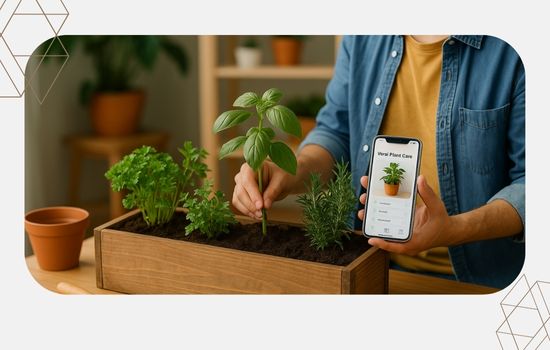
Step 4: Suitable soil for a healthy garden
Garden plants need light, fertile, and well-drained soil.
How to prepare the substrate
- Mix black soil, sand and organic fertilizer such as worm castings
- Use the ratio 50% soil, 25% sand, 25% compost
- Mix well and place in the containers
You can also buy ready-made substrate in gardening stores.
Step 5: Time to plant!
Seeds or seedlings?
- Seeds are cheaper but require patience
- Seedlings are practical and ideal for beginners.
Plant in small holes and cover lightly with soil. Water carefully, avoiding waterlogging.
Step 6: Watering and daily care
Maintaining a care routine is essential for your garden to thrive.
Basic rules
- Water early in the morning or late in the afternoon
- Observe the soil: if it's dry, water it.
- Avoid wetting the leaves to prevent fungus
- Use a watering can with a fine nozzle or a spray bottle.
- Perform light pruning to encourage growth
Step 7: How to prevent pests naturally
Well-cared-for plants are more resistant, but pests can still appear.
Tips for preventing and combating
- Use garlic tea as a natural repellent
- Plant basil near other plants to repel insects
- Spray a mixture of water and neutral soap.
- Check your plants weekly
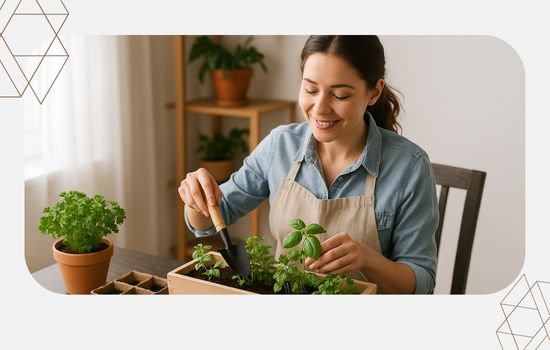
Step 8: Harvest: the most anticipated moment
Some plants grow in a few weeks, others take months. Be patient during the process.
When to harvest
- Leaves: harvest little by little, starting with the largest ones
- Roots: harvest when they are firm and the ideal size
- Fruits: harvest when they are ripe and have a good color
Avoid uprooting everything at once so that your garden continues to produce.
How can technology help you?
Today there are apps that act as a pocket guide for your garden. They send you reminders, teach you how to care for each plant, and even identify problems.
1. Vera: Plant Care
Vera is a free and very complete app for beginners. With it you can
- Record every plant in your garden
- Receive watering reminders
- Ask questions about light, pruning and fertilization
- View personalized advice for each species
Its interface is simple and available in Spanish, ideal for those with no technological experience.
2. Plant – Plant Care
This app is like a personal assistant for your plants. It offers
- Photographic diagnosis to detect pests or diseases
- Custom alerts for each plant
- Recommendations based on the climate in your area
- Helpful tips for each stage of growth
Ideal for those who want to have a more varied and healthy garden.
Extra tips to keep your garden in shape
- Change the substrate every 3 or 4 months
- Use natural fertilizers such as eggshells and coffee grounds
- Reuse the water from washing vegetables for watering
- Rotate the flowerpots so they receive light equally.
Small steps make a big difference.
Is it possible to create a 100% organic garden?
Yes! The secret lies in natural care. By avoiding pesticides and industrial fertilizers, you cultivate healthier and more consciously. Use homemade compost, biofertilizers, and natural repellents.
And can children help?
Setting up a family garden is an educational and fun activity.
Involve the children
- Choose together what to plant
- Make little signs with drawings
- Record the growth with photos
- Use the apps together to follow the process
They will learn about nature and develop responsibility.
Read also:
It will stay in the same place!
Can I sell what I grow?
If your garden grows large, you can sell the surplus to neighbors, farmers' markets, or restaurants. Start with fresh herb kits or mixed leafy greens.
Advice
- Pay attention to the presentation
- Create alliances with small markets
- Use social media to showcase your work
Conclusion: Start your own garden today
Having a garden at home is an act of love towards yourself and the planet.
With simple steps and the help of the right apps, you can transform your routine, eat better, and save money.
Whether in a pot or in a whole garden, there's always room to plant something new.