Advertisements
Who hasn't found themselves sending messages full of emojis to express feelings, tell a story, or simply add a fun touch to the conversation?
These small icons, which are now part of our digital communication, have a fascinating history and are more influential than we imagine.
In this article, we'll explore where emojis came from, how they became so popular, and even what we can expect from the future of this universal language.
The Origin of Emojis: Where Did They Come From?
Did you know that emojis are over 20 years old? They were born in Japan in 1999, created by Shigetaka Kurita, a designer who worked at the company NTT DoCoMo.
At that time, the idea was to create a set of images that would complement the text messages, making them more emotional and visually appealing.
Advertisements
Kurita developed 176 original emojis, drawing inspiration from traffic signs, manga, and Chinese characters.
At first, emojis were limited to Japanese devices, but they quickly caught the attention of technology companies in the West.
In 2010, the Unicode Consortium, the organization responsible for standardizing digital characters, integrated emojis into the Unicode standard, allowing them to be used on devices around the world.
Read also:
- Daily Airline Ticket Deals: Tips and Essential Sites
- How to Protect Your Data Using Apps
- The Impact of Apps on Our Daily Lives
- How augmented reality is redefining entertainment
- Optimize your cell phone's battery easily
Read on!
Apps that transformed emojis into a universal language
Emojis became a global phenomenon thanks to applications that integrated this tool into daily communication.
Let's explore the main applications that helped popularize this language:
WhatsApp is largely responsible for popularizing emojis. With its simple and highly accessible interface, the app has made these icons a natural extension of messaging.
Who hasn't sent a ❤️ or 😂 in a group chat with friends?
Another important milestone was the use of emojis on Twitter. The platform's short and dynamic format encouraged the use of images to save space and quickly convey emotions.
In addition, hashtags with emojis helped to boost campaigns and generate trends.
On Instagram, emojis have become indispensable for captions, comments, and even for personalizing profiles.
It is common to see sequences of icons that tell stories or express feelings without the need for words.
How New Emojis Are Created and Approved
You may have wondered at some point, "Who decides which emojis will be created?" The answer lies with the Unicode Consortium.
Anyone can suggest a new emoji, but the process is rigorous. The criteria include:
- Popular DemandThe emoji must have the potential to be widely used.
- CompatibilityIt should work well on different devices and platforms.
- MeaningIt must have cultural or functional relevance.
Following approval, major technology companies, such as Apple, Google, and Samsung, adapt the design of the new emojis for their systems.
The Most Used Emojis in the World and Their Meanings
The most popular emojis reveal a lot about how we communicate. These are the most notable:
- 😂 (Face with tears of joy): Symbolizes uncontrollable laughter.
- ❤️ (Red Heart): Represents love, affection, and friendship.
- 🙏 (Hands together): Often interpreted as prayer or thanksgiving.
- 🚀 (Rocket): It signifies progress or a new beginning.
- 🌟 (Bright star): Represents something special or dazzling.
These emojis stand out for being versatile and adaptable to different contexts.
Tools to Create Your Own Custom Emojis
If you're the creative type, you'll love knowing that there are tools that allow you to create exclusive emojis.
Here are some popular options:
- Bitmoji: Allows you to create custom avatars that turn into emojis.
- Emoji KeyboardIt offers editing options to create icons from scratch.
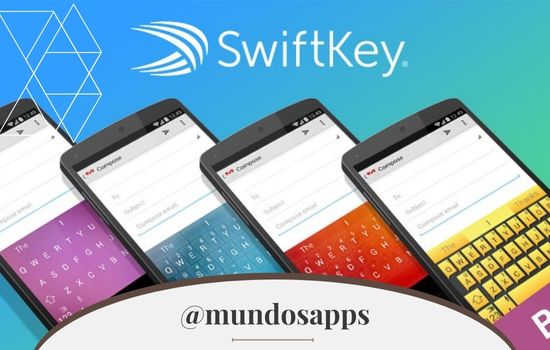
- SwiftKeyIn addition to being an efficient keyboard, it suggests emoji combinations.
These apps have easy-to-use tools, allowing you to unleash your imagination.
The Influence of Emojis on Digital Communication
Emojis go beyond fun; they have transformed the way we communicate.
Research shows that messages with emojis are interpreted as friendlier and more emotional.
In addition, they help to avoid misunderstandings in short messages.
Imagine the impact on a professional email or a message to friends.
Using a 😉 can soften the tone or show intention.
The Future of Emojis: What to Expect?
The future of emojis promises to be even more inclusive and diverse. Recently, we've seen advancements such as:
- Cultural RepresentationEmojis that reflect specific cultural traditions and objects.
- Variety of Gender and Skin Tones: Increasing global representation.
- AnimationsDynamic emojis to convey more complex emotions.
With the evolution of technology, emojis are likely to be integrated into augmented and virtual reality experiences.
The Best Apps for Exploring Emojis
Bitmoji
A favorite among creatives, Bitmoji allows you to create an avatar that transforms into a vast collection of emojis.
Available for Android and iOS, it's ideal for those who enjoy customization.
Emoji Keyboard
This keyboard is perfect for those who want to create unique emojis or have access to thousands of ready-made icons.
In addition, it offers an intuitive keyboard that makes typing easier.
SwiftKey
Much more than a keyboard, SwiftKey suggests emoji combinations based on the context of your message.
It is an excellent option for those looking for agility.
What are users saying?
The ratings in the app stores highlight user satisfaction:
- Bitmoji"I love how I can express myself with my own avatar!"
- Emoji Keyboard"It makes creating unique emojis so much easier. I use it all the time!"
- SwiftKey"Simply the best keyboard. The suggestions are amazing."
Conclusion
Emojis are much more than just images. They have shaped digital communication, making messages more emotional and accessible, and they continue to evolve.
Whether you're creating your own emojis or exploring new ones, the important thing is to connect and express yourself.
Did you like the tips? Try the apps mentioned:
And you, what's your favorite emoji? Leave a comment and share this article with your friends! 😊
Frequently Asked Questions about Emojis and Related Apps
What are emojis and what is their origin?
Emojis are small graphic icons used to express emotions, objects, activities, and much more in digital communication.
Their origin dates back to 1999 in Japan, when Shigetaka Kurita created them as part of a project for the company NTT DoCoMo.
These icons were initially designed to complement text messages, making them more expressive and visual. Since then, they have become a global phenomenon thanks to their inclusion in the Unicode standard.
How are new emojis created and approved?
The process for creating new emojis is managed by the Unicode Consortium. Anyone can submit a detailed proposal, but it must meet certain criteria such as popular demand, cultural relevance, and compatibility.
Once approved, tech companies adapt the emoji design to their platforms. This process ensures that the new emojis are inclusive and functional across different systems.
What are the most popular emojis and what do they mean?
Among the most used emojis worldwide are 😂, which represents intense laughter; ❤️, used to express love or affection; and 🙏, interpreted as prayer or gratitude.
These icons are popular due to their versatility and ability to adapt to various contexts in everyday conversations.
Which apps allow you to create custom emojis?
Several apps offer tools for creating unique and personalized emojis. Bitmoji lets you design an avatar that then becomes a collection of emojis.
Emoji Keyboard offers editing options to create icons from scratch. SwiftKey, on the other hand, suggests emoji combinations and makes it easy to use them in messages.
How have emojis influenced digital communication?
Emojis have transformed the way we communicate. They make messages more emotional and help convey nuances that might be lost in written text.
Furthermore, they provide a visual element that improves the understanding and appeal of conversations, both in personal and professional contexts.
How to ensure inclusion in emojis?
Inclusion in emojis has progressed with the introduction of different skin tones, genders, and cultural representations.
The Unicode Consortium continually works to ensure that emojis reflect global diversity, including cultural elements, traditions, and specific community needs.
What can we expect from the future of emojis?
The future of emojis points to greater interactivity and integration with advanced technologies such as augmented reality.
Emojis are also expected to be more animated and allow for even greater customization, improving the user experience and expanding their communication possibilities.
What are the best apps for exploring emojis?
Among the recommended apps are Bitmoji, ideal for those looking for personalization; Emoji Keyboard, which offers a wide variety of icons and editing options; and SwiftKey, a smart keyboard that suggests emojis based on context.
These tools are excellent for those who want to enrich their digital conversations.